
Master the Art of Marble Polishing: Methods for Marble Polishing
- Hk Mart India
- Feb 8
- 4 min read

Marble surfaces add elegance and luxury to any space. However, over time, they can lose their shine and develop scratches or stains. To restore their original beauty, we need to master the art of marble polishing. This process not only enhances the appearance but also protects the stone from damage. In this guide, we will walk through the essential methods for marble polishing, providing clear, step-by-step instructions to help you achieve professional results.
Understanding the Methods for Marble Polishing
Before we dive into the polishing process, it’s important to understand the different methods available. Each method suits different types of marble and levels of wear. Here are the most common techniques:
Mechanical Polishing: This involves using machines like grinders and polishers with diamond pads or abrasive materials. It is ideal for large surfaces and deep scratches.
Chemical Polishing: This method uses special polishing powders or creams that react with the marble surface to restore shine. It is best for minor dullness and light scratches.
Manual Polishing: Using hand tools and polishing compounds, this method is suitable for small areas or delicate marble pieces.
Professional Restoration: For severe damage or antique marble, hiring experts with advanced equipment is recommended.
Each method has its pros and cons. Mechanical polishing is fast and effective but requires equipment and skill. Chemical and manual polishing are more accessible but may take longer and need repeated applications.

Preparing Your Marble Surface for Polishing
Preparation is key to a successful polish. We must clean and inspect the marble thoroughly before starting. Follow these steps:
Clear the Area: Remove furniture, rugs, and any objects from the marble surface.
Clean the Surface: Use a pH-neutral cleaner and warm water to wash the marble. Avoid acidic or abrasive cleaners that can damage the stone.
Dry the Marble: Wipe the surface with a soft cloth and let it dry completely.
Inspect for Damage: Look for cracks, deep scratches, or stains. These may require special treatment or professional help.
Protect Surroundings: Cover nearby walls or fixtures to prevent dust or splashes during polishing.
Proper preparation ensures the polishing process goes smoothly and the results last longer.
How do you polish marble?
Now that the surface is ready, we can start polishing. Here is a straightforward, step-by-step guide to polishing marble using mechanical and manual methods:
Mechanical Polishing Steps
Choose the Right Pads: Start with coarse diamond pads (around 50 grit) to remove scratches. Progressively move to finer grits (up to 3000 grit) for a smooth finish.
Attach Pads to Polisher: Secure the diamond pads to a floor polisher or angle grinder.
Polish in Sections: Work in small areas, moving the machine in circular motions. Keep the surface wet with water to reduce dust and heat.
Clean Between Pads: After each grit, clean the surface to remove debris.
Final Buffing: Use a soft buffing pad with a polishing compound to bring out the shine.
Manual Polishing Steps
Apply Polishing Powder: Sprinkle a small amount of marble polishing powder on the surface.
Use a Soft Cloth or Buffer: Rub the powder in circular motions, applying gentle pressure.
Rinse and Dry: Wipe off the residue with a damp cloth and dry the surface.
Repeat if Needed: For dull areas, repeat the process until the desired shine appears.
Tips for Best Results
Always test polishing products on a small, hidden area first.
Avoid using harsh chemicals or acidic cleaners.
Work patiently and do not rush the process.
Use protective gear like gloves and masks when handling powders or machines.
Maintaining Polished Marble Surfaces
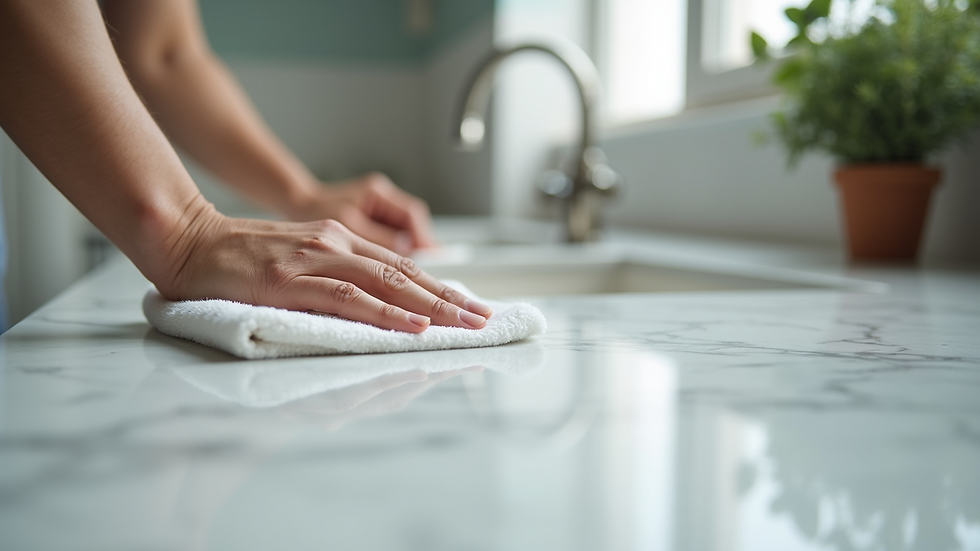
Polishing is only part of the care routine. To keep marble looking pristine, regular maintenance is essential. Here are some practical tips:
Clean Spills Immediately: Marble is porous and can stain easily. Wipe spills quickly with a soft cloth.
Use Coasters and Mats: Protect surfaces from acidic drinks, hot items, and heavy objects.
Dust and Mop Regularly: Use a dry dust mop or vacuum to remove dirt. Mop with a pH-neutral cleaner weekly.
Avoid Abrasive Tools: Never use steel wool or rough scrubbers.
Seal the Marble: Apply a marble sealer every 6-12 months to protect against stains and moisture.
By following these steps, we extend the life of our polished marble and maintain its natural beauty.
Why Professional Marble Polishing Services Matter
While DIY methods work well for minor polishing, professional services offer several advantages:
Expertise and Experience: Professionals understand different marble types and damage levels.
Advanced Equipment: They use industrial-grade machines and high-quality polishing compounds.
Time and Effort Savings: Professionals complete the job faster and with less hassle.
Long-lasting Results: Their techniques ensure deeper polishing and better protection.
For homes and businesses in Chennai, choosing a trusted service provider like Carpet Star guarantees top-notch quality and customer satisfaction. Their team specializes in marble polishing and maintenance, helping preserve your investment and enhance your space.
Mastering the art of marble polishing is achievable with the right knowledge and tools. Whether you choose to polish manually or mechanically, following these clear methods will restore your marble’s shine and elegance. Remember to maintain your polished surfaces regularly and consider professional help for the best results. With care and attention, your marble will continue to impress for years to come.
For more information on professional marble polishing services, visit Carpet Star’s website and discover how they can help you maintain beautiful marble surfaces effortlessly.


Comments